
Location's Impact on Temporary Housing Success
Temporary Housing, Property Owners
Does Location Matter for Temporary Housing? What Property Owners Should Know
Location always matters in real estate, but when it comes to temporary housing, it matters in a more nuanced way than simply “be in the biggest city.” As a property owner, understanding how different guests use temporary housing can help you position your property—whether it is downtown, in the suburbs, or near a small regional hospital—as the right solution for the right people.
Why Location Still Matters in Temporary Housing
In temporary housing, location is less about prestige and more about practicality. Guests are usually navigating a life transition—an extended work assignment, a family move, a medical treatment, or disaster recovery. For them, the “perfect” location is one that reduces stress and makes daily life easier, not necessarily the trendiest downtown block.
That means proximity to workplaces, schools, hospitals, or major highways can be far more valuable than being next to nightlife or tourist attractions. A property that offers a quiet, convenient, and safe environment often wins over one in a busier, more central district—especially for longer stays.
Different Guests, Different Location Priorities
Families in Transition
Families relocating or waiting on a new home often prioritize:
Safe, walkable neighborhoods
Access to parks, playgrounds, and grocery stores
Reasonable commutes to schools and workplaces
A suburban three-bedroom home with a yard, even 20–30 minutes outside a city center, can be far more appealing to this group than a compact downtown apartment. For them, space and stability outweigh being in the middle of everything.
Relocating Professionals and Traveling Workers
Professionals on temporary assignments, consultants, or traveling nurses often look for:
Easy access to major roads or public transit
Quiet spaces for work calls and rest between shifts
Nearby restaurants, gyms, and basic services
A property near a business park, hospital, or industrial hub—whether or not it is downtown—can be ideal. For these guests, shaving 20 minutes off a commute is more valuable than having a skyline view.
Medical Patients and Their Families
Guests traveling for medical care or supporting a loved one usually prioritize:
Short, predictable travel times to hospitals or clinics
Quiet, restful surroundings for recovery and sleep
Ground-floor access, elevators, and minimal stairs when mobility is limited
Properties within a short drive of regional medical centers or specialty clinics—even in smaller towns—can be in high demand for this type of stay.
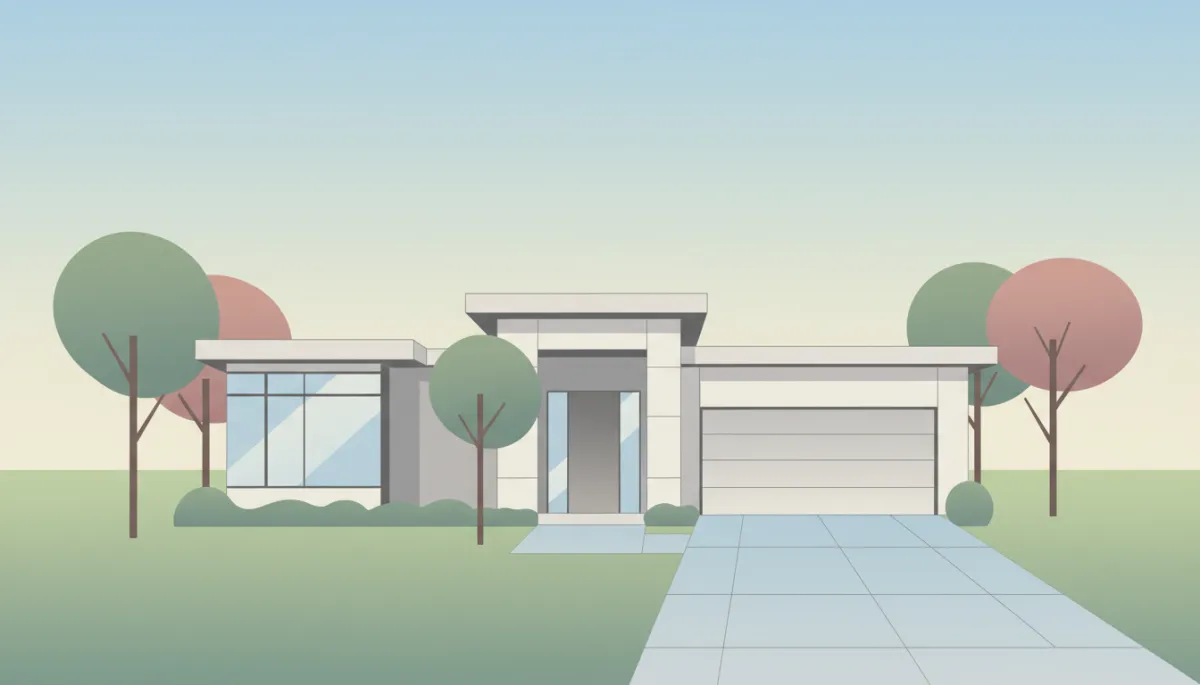
Suburban and small-town properties can perfectly match guests needing peace, space, and convenience.
Suitability Depends on Individual Circumstances, Not Just the Map
The key insight for property owners is this: no location is universally perfect. A downtown loft might be ideal for a consultant without a car, but overwhelming for a family with young children. A quiet home near a regional hospital may be invaluable to medical travelers, even if it is far from the nearest big city.
When you think about temporary housing, focus on which guests your property naturally serves best, based on their daily routines, stress levels, and practical needs. Suitability is always relative to someone’s specific situation.
Beyond Location: Move-In Readiness, Comfort, Flexibility, and Condition
Once the general location works, other factors become just as important—sometimes more so. Guests choosing temporary housing are often exhausted by change; they want a place that feels easy from day one.
Move-in readiness: Fully furnished spaces with kitchen essentials, linens, Wi-Fi, and utilities already set up reduce friction and make your property stand out.
Comfort: Quality mattresses, blackout curtains, reliable heating and cooling, and a functional workspace can matter more than being a few blocks closer to downtown.
Flexibility: Month-to-month options, clear extension policies, and simple check-in/check-out processes appeal to guests whose timelines may change unexpectedly.
Property condition: Cleanliness, maintenance, and updated fixtures convey safety and care—crucial for medical stays and family relocations alike.
Many guests will happily trade a few extra minutes of driving for a well-maintained, move-in-ready space that genuinely feels like home for a month or three.
How to Evaluate Your Property’s Strengths
Instead of asking, “Is my property in the right city?” ask more targeted questions:
What major employers, hospitals, schools, or highways are nearby?
Is my neighborhood quiet and family-friendly, or vibrant and central?
How easy is parking, public transit, or rideshare access from my door?
Does my layout, furnishings, and setup better suit individuals, couples, or families?
Your answers reveal your property’s natural strengths. You can then tailor your listing description, amenities, and pricing toward the guests most likely to benefit from what your property already does well.
Why Properties Outside City Centers Can Be Ideal
Not every guest wants—or can afford—to be in the heart of a major city. In fact, many temporary housing seekers actively prefer:
Lower noise levels and less congestion
More space for kids, pets, or long stays
Easier parking and access to nature or outdoor activities
A well-kept home 15–40 minutes from a city, near a hospital, industrial park, or military base, can be exactly what certain guests are searching for. By highlighting those advantages—space, quiet, convenience—you can turn what might seem like a “less central” address into a compelling temporary housing option.
The Bottom Line for Property Owners
Location absolutely matters for temporary housing—but not in a one-size-fits-all way. The best properties are those that align their location, move-in readiness, comfort, flexibility, and condition with the real-world needs of specific guest groups. Whether your property is downtown, suburban, or near a regional hub, there is likely a temporary housing niche it can serve exceptionally well once you understand and lean into its strengths.
